
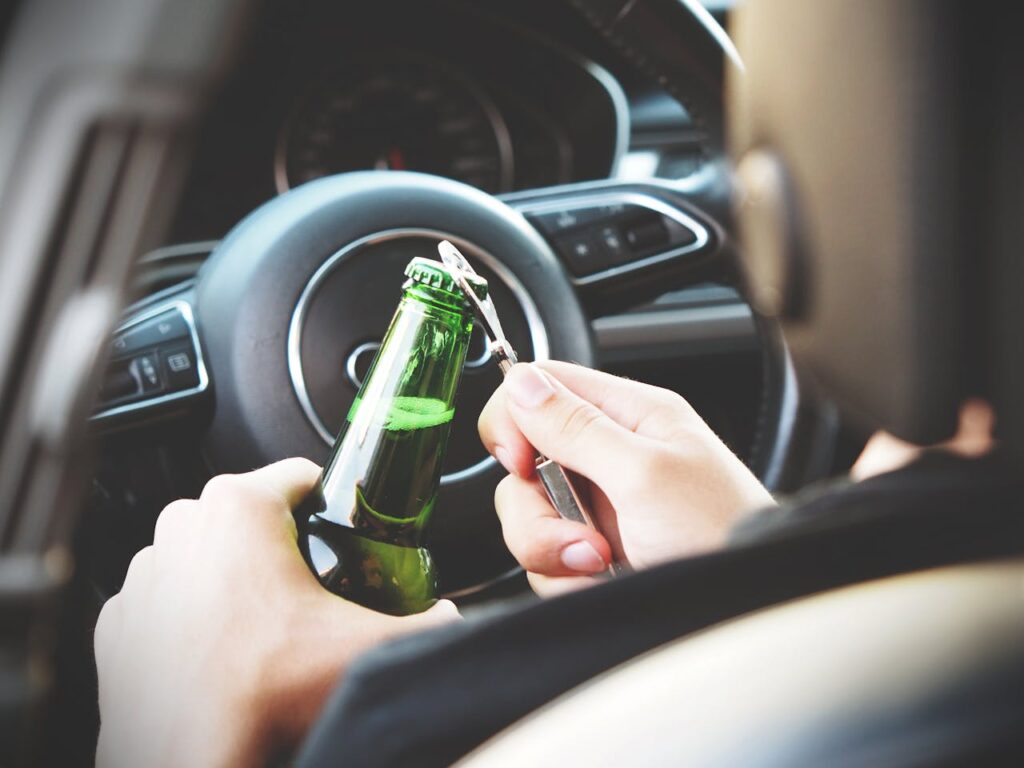
The University of Houston is a place of energy and ambition. From cheering at TDECU Stadium to late night study sessions at the MD Anderson Library, life as a Coog is fast paced and exciting. However, being a college student in a massive city like Houston comes with real world risks. One of the most devastating events a student can face is being injured by a drunk driver. Whether you were walking back to your dorm after a night out or driving home from a late shift at work, a run in with an impaired driver changes everything in a split second.
Houston has a reputation for being a city of drivers, but it also has a high rate of alcohol related accidents. According to recent data from the Texas Department of Transportation, Harris County consistently leads the state in DUI crashes. For a student, the consequences of such an injury go far beyond physical pain. It can disrupt your classes, drain your bank account, and jeopardize your future career. If you find yourself in this position, you need a clear plan to handle the medical, academic, and legal challenges that follow.
Your Health is the Only Priority
In the moments following a crash, your body is flooded with adrenaline. This is a natural survival response that can hide the feeling of serious injuries. You might feel “shaken up” but think you are fine to go back to your apartment and sleep it off. This is a dangerous mistake. Many injuries common in drunk driving accidents, such as internal bleeding or traumatic brain injuries, do not show symptoms immediately.
As a UH student, you are close to the Texas Medical Center, one of the best healthcare hubs in the world. You should go to an emergency room or a nearby urgent care center right away. Do not worry about a missed quiz or a lab at that moment. Getting a professional medical evaluation does two things. First, it ensures you get the treatment you need to recover. Second, it creates an official medical record. This record is vital if you need to seek compensation later. Without a doctor’s report from the day of the accident, insurance companies will try to argue that your injuries were not caused by the crash.
Dealing with the Criminal Aspect
Drunk driving is not just an accident; it is a crime in the state of Texas. When the police arrive at the scene, they will conduct a criminal investigation. They will likely ask the other driver to perform sobriety tests or take a breathalyzer. You should speak with the officers and give them a factual account of what happened. Be sure to ask for the incident number or the “blue form” before you leave.
Because a crime was committed, there may be a criminal trial for the driver. While the district attorney handles the criminal case to punish the driver, that process does not automatically pay for your medical bills or your damaged property. However, a criminal conviction for DWI can serve as powerful evidence in your favor during a civil claim. Keeping track of the police report and the officer’s name is an essential step in holding the responsible party accountable.
Protecting Your Academic Standing
One of the unique challenges for a college student is the impact an injury has on your education. If you are hospitalized or dealing with severe pain, you might miss lectures, exams, or project deadlines. You should not suffer academically because of someone else’s poor choices.
Once your medical condition is stable, reach out to your professors or the Dean of Students office at UH. Many universities have protocols for students facing medical emergencies. You may be able to request an “Incomplete” for a course or arrange for extended deadlines. If your injuries are long term, you might need to work with the Justin Dart, Jr. Student Accessibility Center to get accommodations like note taking assistance or extra time on tests. Being proactive with the university helps ensure that one bad night does not ruin your entire semester or your GPA.
Managing the Financial Burden
The costs of a drunk driving accident add up faster than most students can handle. Between ambulance fees, hospital stays, and follow up physical therapy, the bills can reach thousands of dollars in a matter of days. If you were working a part time job to pay for tuition, the loss of income makes the situation even more stressful.
You will likely be contacted by the other driver’s insurance company very quickly. They may offer you a settlement check right away. While it is tempting to take the money to pay off your immediate bills, you should be very cautious. These early offers are almost always much lower than what you actually need. Once you accept a settlement, you lose the right to ask for more money later, even if you discover you need surgery or long term care.
Finding Professional Support
Navigating the legal system while trying to pass your finals is an impossible task. You need an advocate who understands the specific laws in Texas regarding impaired driving and personal injury. A legal professional can handle the communication with insurance adjusters, gather evidence like dashcam footage or bar receipts, and fight to make sure your future is protected.
If you are feeling overwhelmed and do not know where to start, you can find helpful resources and guidance when you visit JoseCalderon.com. Having an attorney on your side allows you to focus on your recovery and your studies while they focus on the legal battle.
Moving Forward
Recovering from a drunk driving injury is a marathon, not a sprint. It is normal to feel angry or anxious after such a traumatic event. In addition to your physical health, take advantage of the mental health resources available on campus, such as Counseling and Psychological Services (CAPS). Talking to a professional can help you process the emotional weight of the accident.
The University of Houston community is strong, and there are many people ready to help you get back on your feet. By taking the right medical, academic, and legal steps early on, you can overcome this obstacle and continue your journey toward graduation. Stay focused on your goals, advocate for your rights, and remember that you do not have to face the aftermath alone.