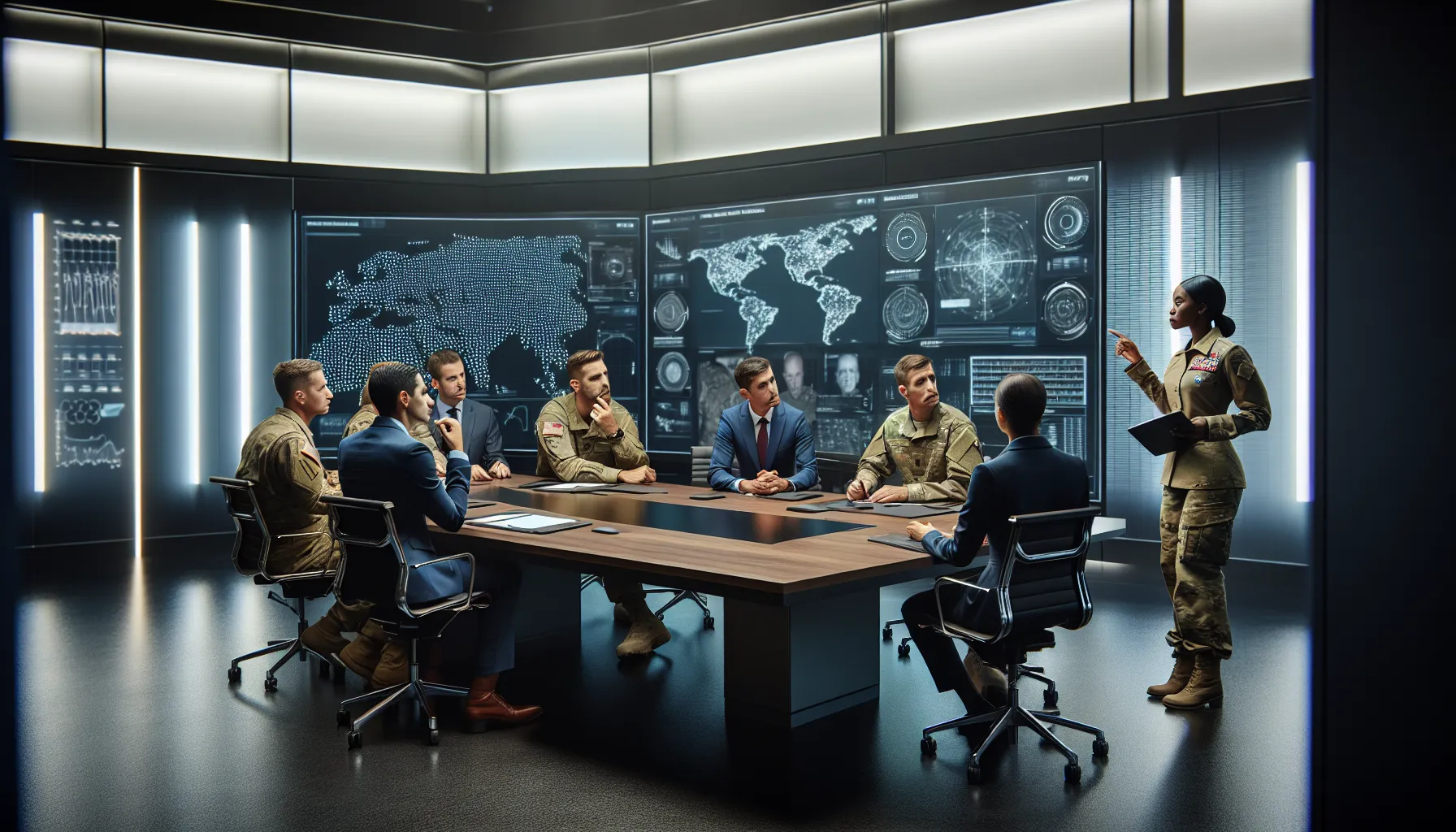

Ever found yourself drowning in a sea of acronyms while reading about military strategies? Well, fear not. Today, we jump into the old yet ever-relevant concept of militärprrss, or military pressure systems. It’s a term that might sound intimidating, but we promise to make it engaging, informative, and possibly even fun. Let’s explore how these systems work and why they matter, all while avoiding any military jargon that could get us lost in translation.
Militärprrss
The Historical Context of Militärprrss
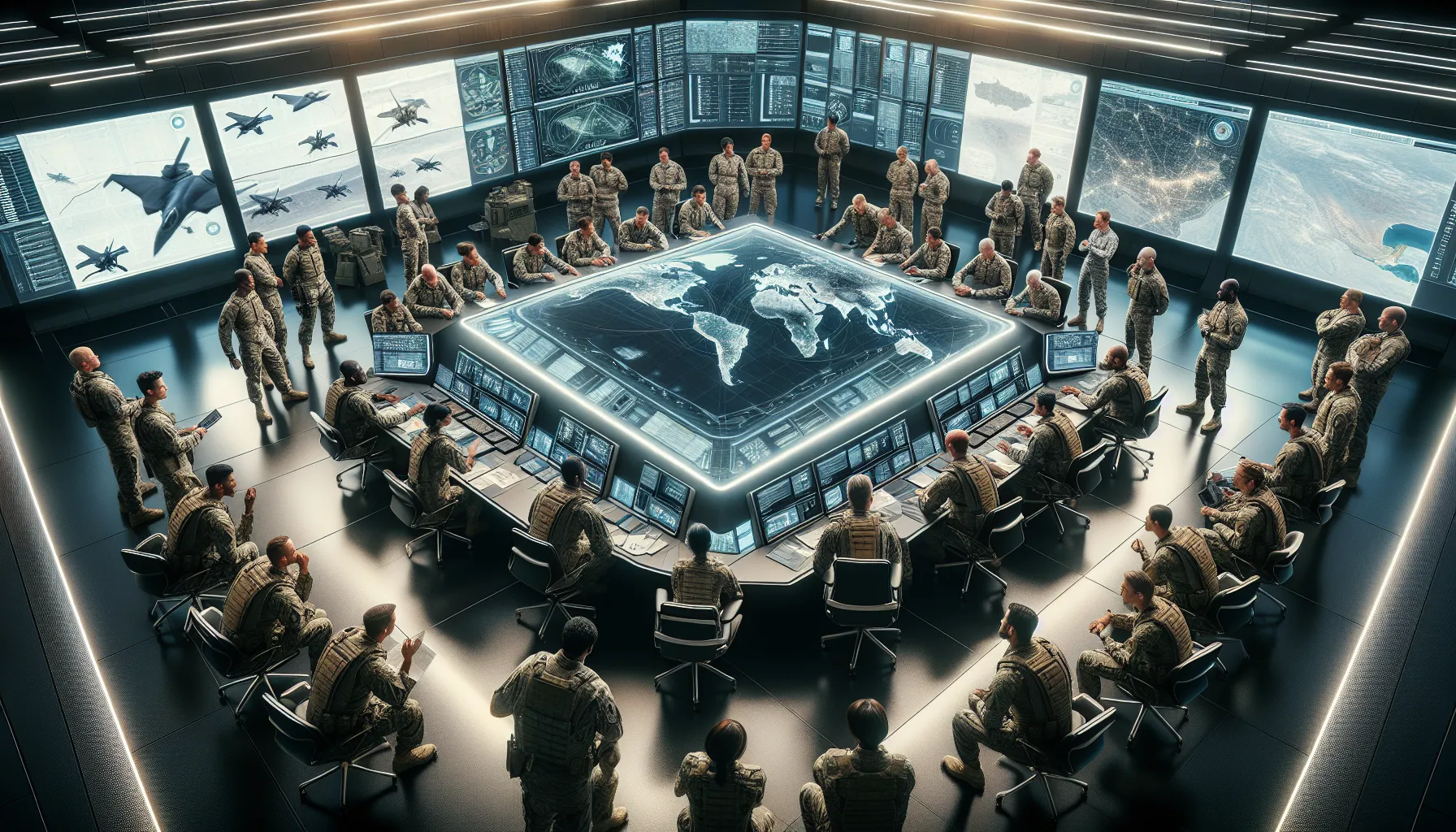
To truly understand militärprrss, we need to take a step back in time. The concept has its roots in military history, lingering around since ancient battles. From the Roman legions to contemporary warfare, strategies involving pressure have forged the outcomes of conflicts. Take the Cold War, for instance: countries employed military pressure systems to maneuver around their rivals, often without actual combat. By engaging in a game of chess with power dynamics, they sought to maintain dominance without flinging missiles at each other.Key Components of Militärprrss
What makes up a militärprrss? Let’s break it down. First, we have military capabilities, such as weapons, troops, and technology. Think of drone strikes or advanced artillery, these represent the physical side of things. Then comes intelligence, crucial for understanding our adversaries, knowing their strengths and weaknesses helps us apply pressure effectively. Finally, there’s the psychological aspect. This involves strategic communication, propaganda, and even fear tactics. Each component works together to create an intricate web of influence.Applications of Militärprrss in Modern Warfare
In today’s military landscape, the applications of militärprrss are more relevant than ever. We see nations utilizing hybrid warfare tactics, which blend conventional military pressure with cyber warfare and misinformation campaigns. For instance, during recent conflicts, strategies that include economic sanctions coupled with military posturing have proven effective in shaping outcomes without direct confrontation. Also, pressure systems aren’t limited to just large-scale wars: they play a crucial role in counter-terrorism efforts and peacekeeping missions. The flexibility of militärprrss allows it to adapt to various scenarios.Challenges and Limitations of Militärprrss