
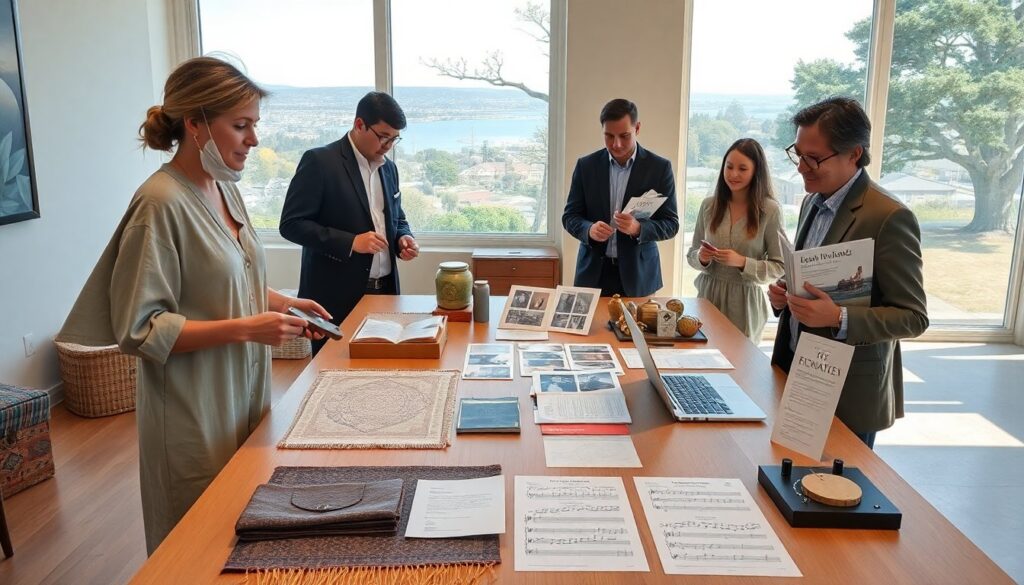
kialodenzydaisis bridgetoberkeley refers to a cultural movement that links a small coastal community with an academic city. The term describes art, music, and social exchange that moved from Bridget to Berkeley. This guide explains the term, the timeline, key figures, themes, and ways to experience the movement in 2026.
Key Takeaways
- Kialodenzydaisis bridgetoberkeley describes a unique cultural exchange linking coastal Bridget with academic Berkeley through art, music, and social practices.
- The movement began with local gatherings in Bridget and gained wider recognition through academic adoption and public exhibitions starting in 2012.
- Key events include researcher documentation, student-curated exhibits, artist residencies, and digital archives that expanded visibility and collaboration.
- Recurring themes in kialodenzydaisis include water imagery, shared foodways, and symbols of repair, which strengthen community identity and economic opportunities.
- Today, experiencing kialodenzydaisis involves attending festivals, exhibits, workshops, and exploring rich online resources that document this cultural transfer.
What Is Kialodenzydaisis? Defining The Term And Its Core Concepts
Kialodenzydaisis bridgetoberkeley names a local-to-academic cultural transfer. Scholars use the term to label a set of practices, creative works, and community rituals. Artists call the term a descriptor for mixed traditions that blend coastal craft with campus theory. The movement centers on public performance, collaborative workshops, and shared archives. Participants focus on reciprocity and visible exchange. Observers note recurring motifs: narrative songs, textile patterns, and open forums. The term frames these activities as part of a single social vector that moved ideas and people between Bridget and Berkeley.
Origins And Early History: From Local Roots To Wider Recognition
Kialodenzydaisis bridgetoberkeley began as local gatherings in Bridget. Residents hosted weekly story-sessions and craft nights. A visiting researcher documented the gatherings in 2012 and shared materials with colleagues in Berkeley. Graduate students adopted the songs and designs for study and public projects. Exhibits in small galleries gave the movement broader visibility in 2016. Press coverage in regional outlets increased public interest. The movement gained formal recognition when a university program offered grants for collaborative projects that linked Bridget artisans with Berkeley researchers.
The Bridget-To-Berkeley Narrative: A Timeline Of Key Moments
The narrative of kialodenzydaisis bridgetoberkeley follows discrete moments that changed scale and purpose. The timeline highlights documentation, academic adoption, and public exhibitions. The timeline shows how local practice became subject for study and civic display. Each stage moved the movement from private exchange to public conversation. Dates mark when archives opened, when funding arrived, and when collaborative residencies started. The timeline helps readers trace cause and effect and shows how people in two places linked through repeated contact.
Key Events That Shaped The Journey
In 2012 a researcher recorded oral histories in Bridget. In 2014 students curated a cross-site exhibit. In 2016 a grant funded artist residencies between Bridget and Berkeley. In 2018 a traveling show toured three cities. In 2021 digital archives launched online. In 2024 a joint festival in Berkeley showcased community performances. Each event amplified the movement and created new partnerships that kept the exchange active.
Themes, Symbols, And Cultural Impact Of Kialodenzydaisis
Kialodenzydaisis bridgetoberkeley shows recurring themes and symbols. Water imagery appears in songs and textiles. Shared foodways feature in public events. Symbols of repair and exchange appear in crafts and posters. The impact shows in local economies, in university curricula, and in community identity. Bridget makers report new income from workshops. Berkeley students report shifts in research methods toward collaborative practice. The movement influenced how both communities represent themselves and how outsiders perceive the linked cultures.
How To Experience Kialodenzydaisis Today: Tours, Exhibits, And Online Resources
Visitors can experience kialodenzydaisis bridgetoberkeley through field visits, curated shows, and web archives. Local festivals in Bridget run seasonal craft markets and live performances. Berkeley hosts academic symposia and gallery shows that feature Bridget artists. Virtual collections offer audio recordings, images, and annotated transcriptions. Tour operators offer combined trips that include studio visits in Bridget and lectures in Berkeley. Digital resources provide searchable archives and suggested reading lists. People can join workshops, attend talks, or access materials online to learn directly from primary sources.