
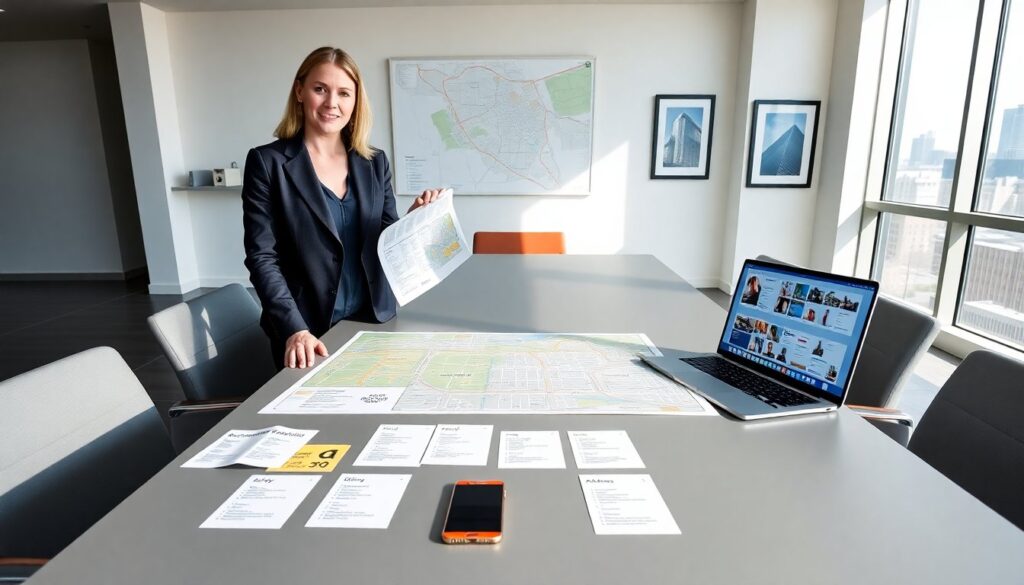
Bridget O’Berkeley’s helpful campus guides target students and visitors who need clear campus advice. The guides explain housing, dining, safety, transportation, and academics. They list steps and checklists for campus visits. Readers get concise facts and action items. The guides use maps, photos, and short tips. They aim to reduce guesswork and save time for students and families.
Key Takeaways
- Bridget O’Berkeley’s helpful campus guides provide clear, detailed information on housing, dining, safety, transportation, and academics to simplify campus visits.
- Each guide offers practical checklists, maps, photos, and step-by-step plans to help students and visitors prepare efficiently for their campus tour.
- The guides prioritize up-to-date local details such as exact building names, transit stops, and safety contacts to reduce confusion and save time.
- Special sections address the needs of English-speaking visitors and international students, including cultural tips, language support, and practical advice.
- Bridget O’Berkeley regularly updates her guides with verified information and official campus links to ensure accuracy and reliability during planning.
What Makes Bridget O’Berkeley’s Campus Guides Unique
Bridget O’Berkeley’s helpful campus guides combine local detail and simple steps. Each guide focuses on one campus. The guide shows exact building names, office hours, and contact points. It uses plain language. It lists transit stops and food options next to each dorm. It gives clear safety contacts and campus alert procedures.
The guides use photos and short maps. They use bullet lists for quick reading. They include real visitor notes and short campus walks. They include quotes from current students and staff. Bridget updates the guides regularly. She checks hours and phone numbers before each update. The guides link to official campus pages for forms and applications.
The guides aim to reduce confusion during visits. They help students plan housing tours, meal plans, and class visits. They help parents find accessible parking and visitor centers. They include tips for low-cost meals and quiet study spots. They show where to find campus counseling and health centers. Readers get practical actions they can use the same day.
Top Campus Topics Covered: Housing, Dining, Safety, Transportation, And Academics
Bridget O’Berkeley’s helpful campus guides cover five core topics. Each topic includes clear steps and checklists.
Housing
- The guide lists dorm styles and price ranges. It shows where to find roommate matching and move-in dates. It tells readers how to inspect rooms and what to ask maintenance.
Dining
- The guide lists meal plan types and dining hall hours. It highlights budget options and allergy-friendly stations. It notes nearby grocery stores and food markets.
Safety
- The guide lists campus police contacts and emergency numbers. It shows blue-light locations and safe routes between common student spots. It offers short tips for late-night travel and reporting concerns.
Transportation
- The guide lists bus lines, shuttle stops, and parking rules. It shows bike lanes and scooter parking. It lists estimated travel times from major transit hubs.
Academics
- The guide lists core buildings and advising centers. It shows library hours and group study room booking steps. It lists tutoring services and how to reach academic advisors.
Each topic includes a quick checklist at the end. The checklist gives three to five things to do before arrival. The checklist keeps planning focused. The guide also adds minor topics on clubs, health services, and accessibility. Bridget includes short photo captions for each campus landmark.
Bridget O’Berkeley’s helpful campus guides place the most-used information at the top. They let readers find housing, dining, safety, transportation, and academics within seconds. The guides use clear labels so readers scan and act fast.
How To Use The Guides Effectively: Step‑By‑Step Planning For Your Visit
Bridget O’Berkeley’s helpful campus guides give step-by-step plans for visits. The steps help readers prepare one week, one day, and the day of the visit.
One week before
- Read the guide section on housing and schedule tours. Send questions to admissions and housing. Check bus and shuttle timetables. Print or save the map for offline use.
One day before
- Confirm tour times and parking rules. Pack chargers and comfortable shoes. Note food options if visitors have dietary needs. Charge devices and download the campus map app if available.
The day of the visit
- Arrive early to find parking and the visitor center. Follow the guide map to key buildings. Ask student guides about hidden study spots and budget meals. Take photos of room layouts if touring dorms. Note emergency exits and safety points.
Use the guide notes for follow-up
- Email admissions with remaining questions. Compare housing notes and costs. Book appointments for advising or testing if needed. Use the guide checklist to mark completed items.
The guide also includes a printable one-page itinerary. The itinerary lists arrival time, tour time, dining options, and transit details. It lists emergency contacts and a short packing list.
Bridget O’Berkeley’s helpful campus guides aim to make each visit efficient. The guides reduce last-minute surprises and help visitors focus on the facts. They let readers take quick actions and follow a clear plan.
Customizing Tips For English‑Speaking Visitors And International Students
Bridget O’Berkeley’s helpful campus guides include a short section for English-speaking visitors and international students. The tips help both groups prepare for cultural and practical differences.
English-speaking visitors
- The guide lists common campus terms and their meanings. It explains where visitor information desks sit and how to ask for directions. It suggests questions to ask during tours about course load and campus life.
International students
- The guide lists where to find visa support and international student services. It explains how to open a bank account and get a local SIM card. It lists nearby grocery stores that sell familiar foods. It gives simple phrases to use at the campus help desk and health center.
Both groups
- The guide suggests packing a printed copy of important documents. It tells readers to keep emergency contact numbers in an easy place. It lists quiet study areas and how to reserve them.
Bridget adds links to language support and student forums. She updates those links when services change. The guide suggests meeting a current student ambassador if possible. That step helps visitors ask specific questions and feel more confident during visits.