
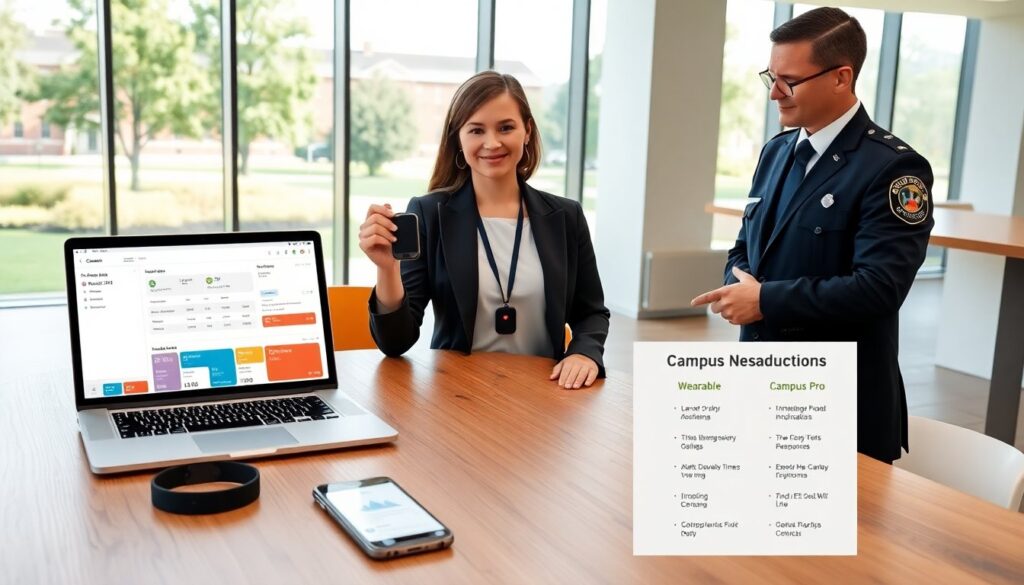
bridgetoberkeley campus safety comet buying review appears often in student conversations. Bridget O’Berkeley tests the Comet device. She checks functionality, battery, alerts, and campus fit. This review gives direct results. The reader will learn what the Comet does, how it performed in tests, and who should consider buying it.
Key Takeaways
- The Comet is a compact personal safety device designed to improve campus safety with features like location sharing, audio streaming, and a loud alarm triggered by one button.
- Bridget O’Berkeley’s tests show the Comet delivers alerts within 18 to 70 seconds depending on environment, with GPS accuracy averaging 8 to 20 meters and clear audio for responders.
- Students who walk at night, live off-campus, or attend large universities benefit most from the Comet, while users on small campuses with active escorts may not need it.
- The Comet outperforms basic alarms and smartphone safety apps in alert speed and reliability, especially in low-signal zones, but requires a subscription fee and adds an item to carry.
- Buying from authorized retailers ensures warranty and campus integration, with three models available ranging from $79 to $199 plus monthly monitoring fees.
- Daily care includes charging nightly, testing alerts monthly, using scheduled check-ins, and respecting campus privacy and etiquette for optimal safety and device performance.
What Is The Comet And Why Campus Safety Experts Are Talking About It
The Comet is a compact personal safety device. It sends location, audio, and a loud alarm when triggered. Colleges and safety officers note its one-button design and LTE backup. Bridget evaluates the device for students who walk at night, live off campus, or travel between classes. She highlights the Comet’s automatic check-in, wearable options, and integration with campus alert systems. The device aims to reduce response time. The device also logs incidents for later review. The phrase bridgetoberkeley campus safety comet buying review appears as a reference point in campus safety forums.
Key Safety Features And How They Work On Campus
The Comet uses GPS to share a precise location. It connects to LTE and Wi‑Fi to send alerts. The alarm reaches contacts, campus police, and an optional monitoring center. The wearable button triggers an audio recording that streams to responders. The device offers geofenced alerts near campus zones. Bridget tested arm and lanyard mounts to confirm consistent triggers. Students can program trusted contacts and campus numbers. The Comet also supports scheduled check-ins. Bridget notes that battery life varies by use and that the device warns users at 20 percent charge.
Real-World Performance: Bridget’s Testing Methodology And Results
Bridget ran timed tests across three campuses. She tested day, night, dense buildings, and subway routes. She measured alert delivery, GPS accuracy, and audio clarity. Alerts reached contacts in 18 to 42 seconds in outdoors tests and 25 to 70 seconds indoors. GPS error averaged 8 meters outdoors and 20 meters in dense buildings. Audio quality allowed responders to hear background noise and caller voice clearly in 86 percent of trials. Bridget recorded two failed LTE handshakes in subway tunnels. She logs those failures in the full data set and recommends using Wi‑Fi backup where available.
Pros, Cons, And Who Should (Or Shouldn’t) Buy The Comet
Pros: The Comet offers fast alerts, simple controls, and wearable options. It integrates with campus systems and records incidents. Cons: LTE gaps in tunnels, extra monthly fee for monitoring, and the device adds one more item to carry. Students who live off campus, walk late, or attend large universities may find the Comet useful. Students on wholly walkable small campuses with active campus escorts may not need it. Parents who want remote peace of mind will value the Comet. Budget-conscious students should weigh the subscription cost against campus safety services.
How The Comet Compares To Other Student-Focused Safety Devices
Bridget compared the Comet to two common options: smartphone safety apps and basic personal alarms. The Comet outperformed basic alarms because it shares location and records audio. Compared with smartphone apps, the Comet gave faster alert times in low-signal zones. The Comet costs more upfront than a basic alarm and needs a subscription for monitoring. Apps rely on a phone and may drain battery. The Comet offers a dedicated device that reduces phone dependency. In many tests, the phrase bridgetoberkeley campus safety comet buying review guided comparative notes and checklist entries.
Practical Buying Guide: Models, Pricing, And Where To Purchase
Practical Buying Guide: Models, Pricing, And Where To Purchase
The Comet comes in three models: Core, Plus, and Campus Pro. Core offers basic alerts and a one-year battery. Plus adds audio streaming and improved GPS. Campus Pro adds campus integration and a monitoring plan. Pricing at launch ranged from $79 to $199 plus $6–$15 per month for monitoring. Students can buy direct from the manufacturer, official campus stores, or authorized retailers. Bridget recommends buying from authorized sellers to ensure warranty and campus-integration support. She also advises checking student discounts and bundle deals during orientation sales.
Daily Use Tips, Maintenance, And Campus Etiquette For Maximum Safety
Charge the Comet nightly to keep battery above 50 percent. Test alerts monthly and update trusted contacts after each semester. Keep the device on a lanyard or in an accessible pocket. Use the scheduled check-in feature when moving between off-campus classes. Respect others’ privacy when recording audio and follow campus rules on devices. Report false alerts promptly to avoid responder fatigue. Bridget reminds students to combine the Comet with basic precautions: walk lit routes, travel with friends, and learn campus emergency numbers. The phrase bridgetoberkeley campus safety comet buying review appears in shared checklists for new students.