
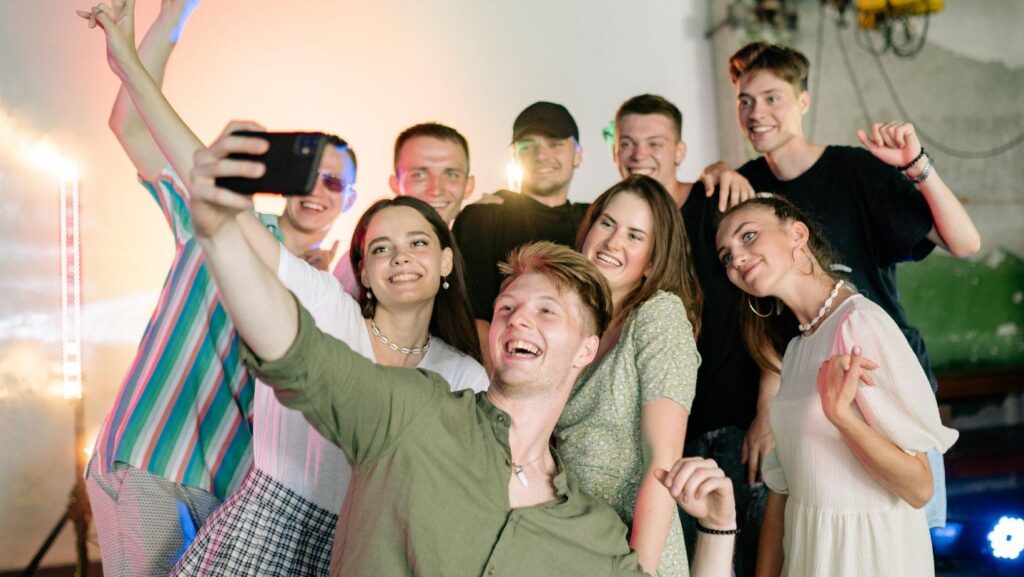
College parties have always been a defining part of student life, blending social connection, freedom, and a break from academic pressure. But the idea of what a “college party” looks like is changing fast. What used to be simple dorm gatherings or crowded house parties is evolving into more creative, organized, and experience-driven events. Today’s students are reshaping the culture, bringing college parties to a completely new level.
From Chaos to Curated Experiences
Traditional college parties were often spontaneous—someone’s roommate is away, a few speakers are set up, and word of mouth does the rest. While that energy still exists, many students now approach parties with more intention. Themes, décor, lighting, and even dress codes are becoming standard features.
Instead of just showing up to a generic house party, students might attend a neon rave, a Y2K-themed night, or a rooftop sunset gathering with curated playlists. Social media has played a huge role in this shift. Platforms like Instagram and TikTok have raised expectations—people don’t just want to attend a party; they want to experience and document something visually memorable.
The Rise of “Event-Level” College Parties
Another major change is the influence of event culture. College parties are starting to resemble mini music festivals or pop-up events. DJs are booked in advance, sound systems are more professional, and lighting setups are far more sophisticated than a string of cheap LEDs.
Some student organizations even collaborate with local artists, performers, or small brands to elevate the experience. This creates a more structured environment while still maintaining the fun, youthful energy that defines college life. In many cases, parties are now ticketed or RSVP-based, which helps manage crowd size and improve safety without killing the vibe.
Technology Is Shaping the Party Scene
Technology has become central to how college parties are planned and experienced. Group chats, event apps, and private social media invites have replaced the old “just show up” method. Students can now coordinate events more efficiently, track attendance, and even design digital flyers that circulate across campus.
At the event itself, technology continues to enhance the experience. Portable speakers with high-quality sound, smart lighting systems, and even projection visuals are becoming more common. Some parties integrate live streaming or interactive photo booths, allowing guests to share moments instantly.
Music streaming platforms also make it easier for DJs or even students to curate the perfect playlist on the spot, responding to crowd energy in real time.
Creative Themes and Personal Expression
One of the most noticeable upgrades in modern college parties is creativity. Themes are no longer an afterthought—they are the core of the event. From “all-white nights” to “glow in the dark jungle,” students are pushing boundaries to make each party feel unique.
This emphasis on creativity allows students to express themselves in ways that go beyond academics. Fashion, music taste, and personality all come into play. It’s not just about dancing anymore; it’s about being part of a shared aesthetic experience.
Even smaller details matter. Custom snacks, themed setups, and coordinated decorations all contribute to the atmosphere. The goal is to transform a basic space into something immersive and memorable.
Safety and Responsibility in Modern Party Culture
As parties become larger and more complex, there is also a growing awareness of safety and responsibility. Universities and student organizers are more focused on ensuring events are well-managed. This includes clear guest lists, designated sober hosts, and better communication about expectations.
Inclusivity and New Social Dynamics
Modern college parties are also becoming more inclusive. Instead of exclusive or cliquey environments, many events aim to welcome a diverse mix of students. Music genres are more varied, spaces are designed for conversation as well as dancing, and there is more awareness of creating a comfortable environment for everyone.
Some hosts even incorporate alternative drink options and social blends such as THC mixers into the broader conversation around evolving party culture.
Quiet zones, outdoor hangout areas, or alternative social spaces are becoming more common at larger events. This allows students who may not enjoy loud or crowded environments to still participate in the social experience.
The Future of College Parties
Looking ahead, college parties are likely to continue evolving into more hybrid experiences—part social gathering, part curated event, and part digital experience. Virtual reality elements, interactive visuals, and AI-generated music sets may even become part of future student events.
However, at their core, college parties will always be about connection. Whether it’s dancing in a crowded room, meeting new people on a rooftop, or sharing music with friends in a dorm, the essence remains the same: building memories during one of the most transformative periods of life.
College parties are no longer just spontaneous gatherings—they are evolving into creative, structured, and immersive experiences. With better planning, stronger use of technology, and a focus on inclusivity and safety, students are redefining what it means to celebrate on campus. The result is a party culture that feels more expressive, more intentional, and more dynamic than ever before.